
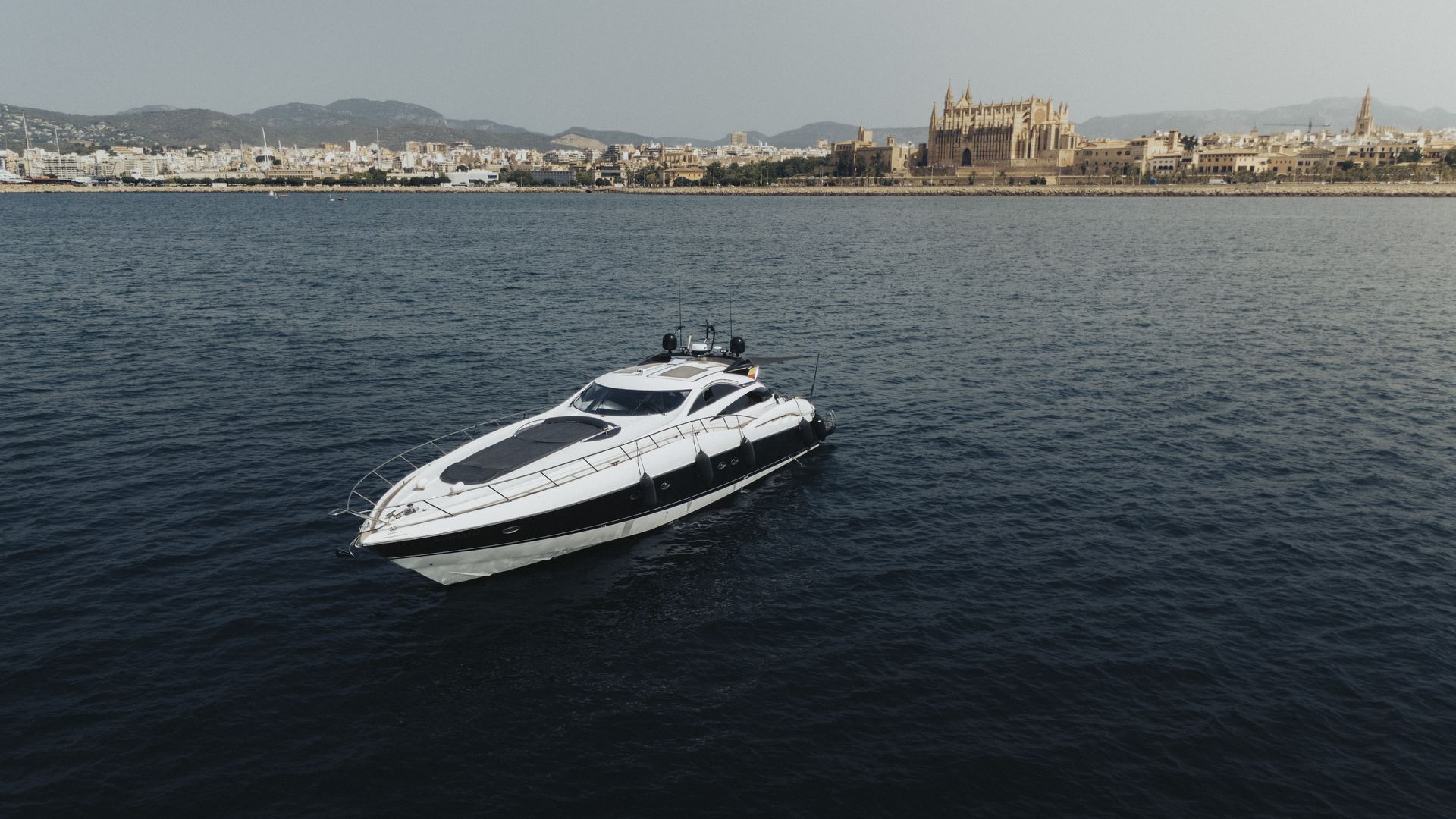
Private crewed yachts across the Balearics and the Spanish mainland coast. The whole vessel, a professional crew, and a route drawn around your group rather than a timetable. Owner-operated from Palma, not brokered from a screen.
Spain has more usable coastline than any other country in the western Mediterranean, and the honest consequence of that is that a great deal of it is not what you are paying for. Luxury yacht hire in Spain is not really a question of finding a boat: there are thousands, and most of the listings you will meet online are the same fifty vessels sold by twelve different agencies who have never set foot on any of them. The question is which stretch of water suits the week you actually want, and who will still be answering the phone at nine on a Sunday morning when the forecast changes.
TSB Yachting is based in Palma de Mallorca and we operate our own vessels rather than reselling other people's. That distinction shapes everything below. In the Balearics we know each yacht, each captain and each anchorage personally, because they are ours. On the mainland (Barcelona, the Costa Blanca, the Costa del Sol) we work with a short list of partner yachts and crews we have physically been aboard, and we say plainly which category any given quote falls into. You will never be handed a stock photograph of a yacht nobody at this company has seen.
What "luxury" means in practice is less about gold taps than most brochures suggest. It means the yacht is yours alone rather than shared with strangers, that a professional skipper and crew handle everything from the lines to the lunch reservation, that the itinerary bends to the weather and your mood rather than a fixed circuit, and that the price you were quoted in March is the price you pay in August. Everything else (the flybridge, the Seabobs, the chef) is a preference, and we will tell you honestly which of them will change your week and which will simply change your invoice.
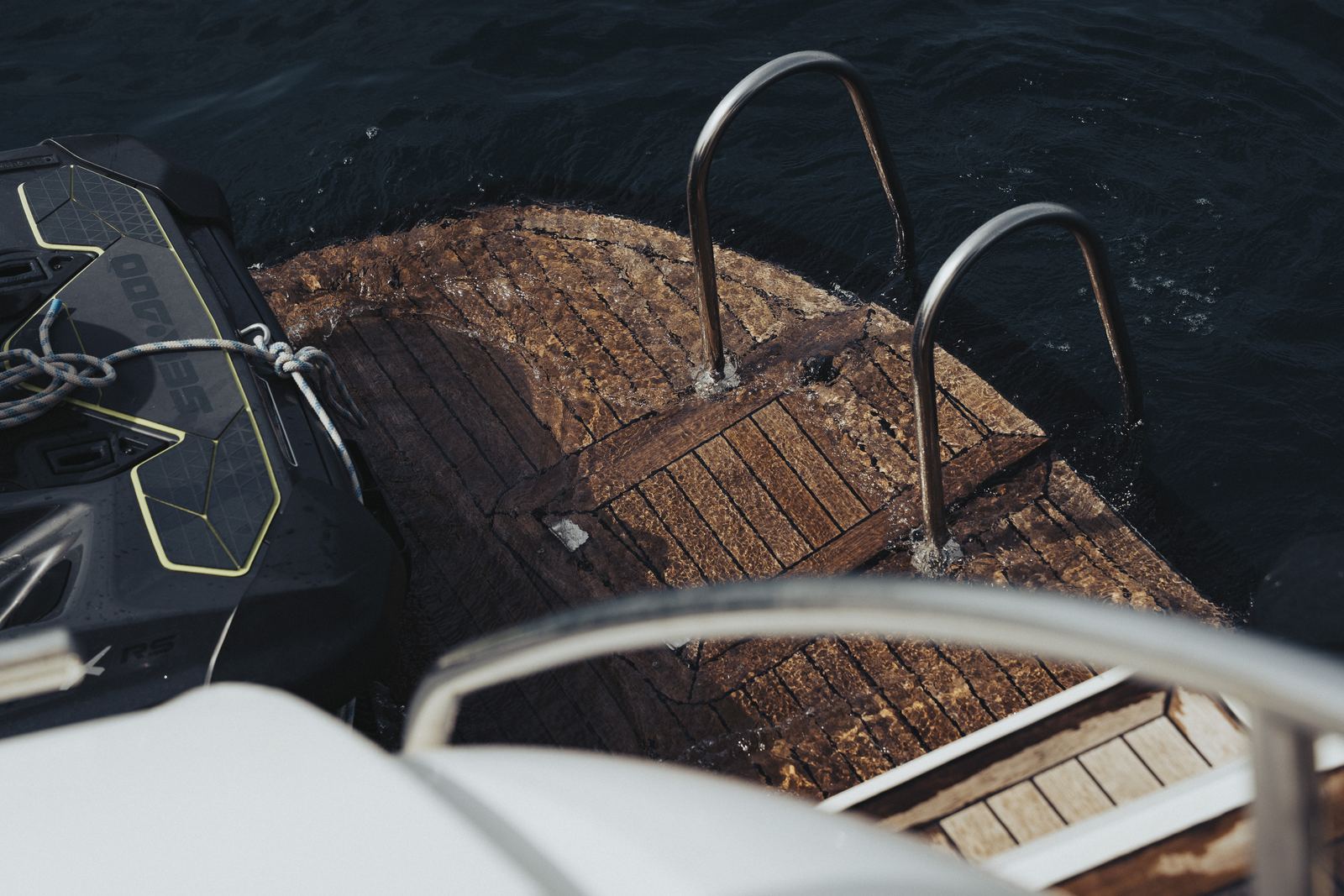
Eight hours, one yacht, your group only. Two or three anchorages, lunch at sea or ashore, and back in port at golden hour. The most efficient way to see whether a longer charter is for you, and the format most of our first-time guests choose.
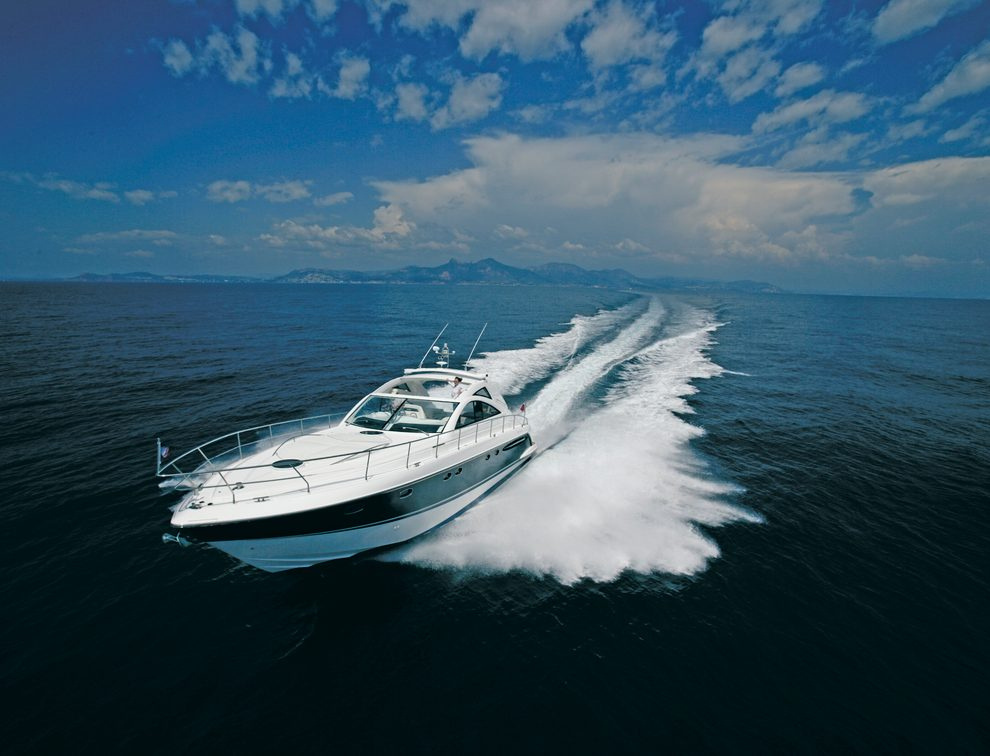
Seven days of islands, with the yacht as the hotel and the anchorage changing every night. Sailing yachts and catamarans sit at the accessible end of this; crewed motor yachts run considerably higher and cover far more ground.
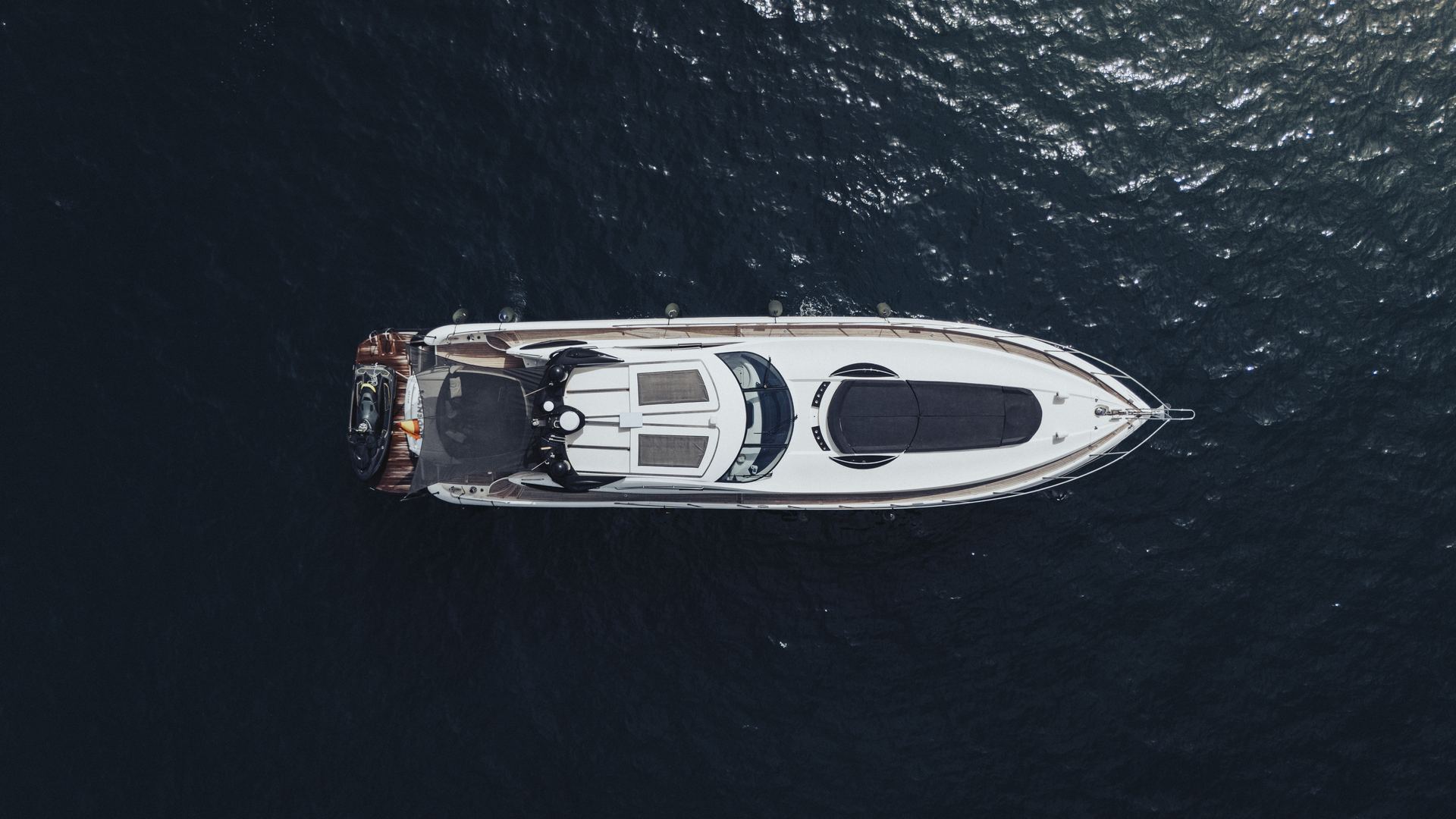
Mainland to islands, one-way charters, deliveries, milestone birthdays and client programmes. Anything that crosses a region or a category, built as a single plan by the people who will actually run it.
These are the regions where luxury yacht hire in Spain is genuinely worth doing, ranked roughly by how often we are asked for them. They are not interchangeable, and choosing the wrong one for your group is the most expensive mistake available in this business. Tell us who is coming and we will tell you which of these fits.
Our home water and the most complete charter island in Spain. The south-west corner around Puerto Portals and Port Adriano gives you polished marinas and thirty-minute access to Palma airport; the north-west Tramuntana coast gives you a mountain range falling into deep water, Sa Calobra, Sóller and Cala Deià, and almost nobody once you are past Andratx. A week here rarely needs to leave the island. See Mallorca yacht charter for detail.
Sixty nautical miles south-west of Palma and a completely different holiday. Formentera is the reason people come: the sandbanks at Illetes and Espalmador hold water so clear that the depth sounder feels like a formality, and a yacht is the only sensible way to reach them. Ibiza itself is best treated as an evening rather than a day, anchoring off Talamanca or Cala Jondal and going ashore by tender. Busy from mid-July; superb in June and September. See Ibiza boat charter.
The island the charter market keeps overlooking, which is precisely its argument. A UNESCO biosphere reserve with development tightly capped, which means Cala Macarella, Cala Mitjana and Cala Turqueta look much as they did forty years ago. Thirty miles from Mallorca, so it slots into a longer Balearic week without drama. The right choice for families and for anyone whose idea of a good anchorage does not include a beach club. See Menorca yacht charter.
The best mainland cruising ground in Spain, and the only city on this list that improves from the water. Out of Port Vell the skyline arranges itself in a way no land viewpoint manages, and an hour north the Costa Brava begins in earnest: pine to the waterline, calas cut into red rock, the Medes marine reserve, and Cadaqués under Cap de Creus at the far end. Also the launch point for the 135-mile crossing to the Balearics. See Barcelona yacht charter.
The mainland south. Denia, Javea and Alicante on the Costa Blanca offer warm, sheltered water, the Columbretes islands offshore and prices noticeably below the Balearics for a comparable yacht. Further round, Marbella and Puerto Banús hold the highest concentration of large yachts anywhere in Spain, with Gibraltar and the Moroccan coast within reach for anyone wanting a passage rather than a circuit. Both regions run a longer season than the islands, comfortably into late October.
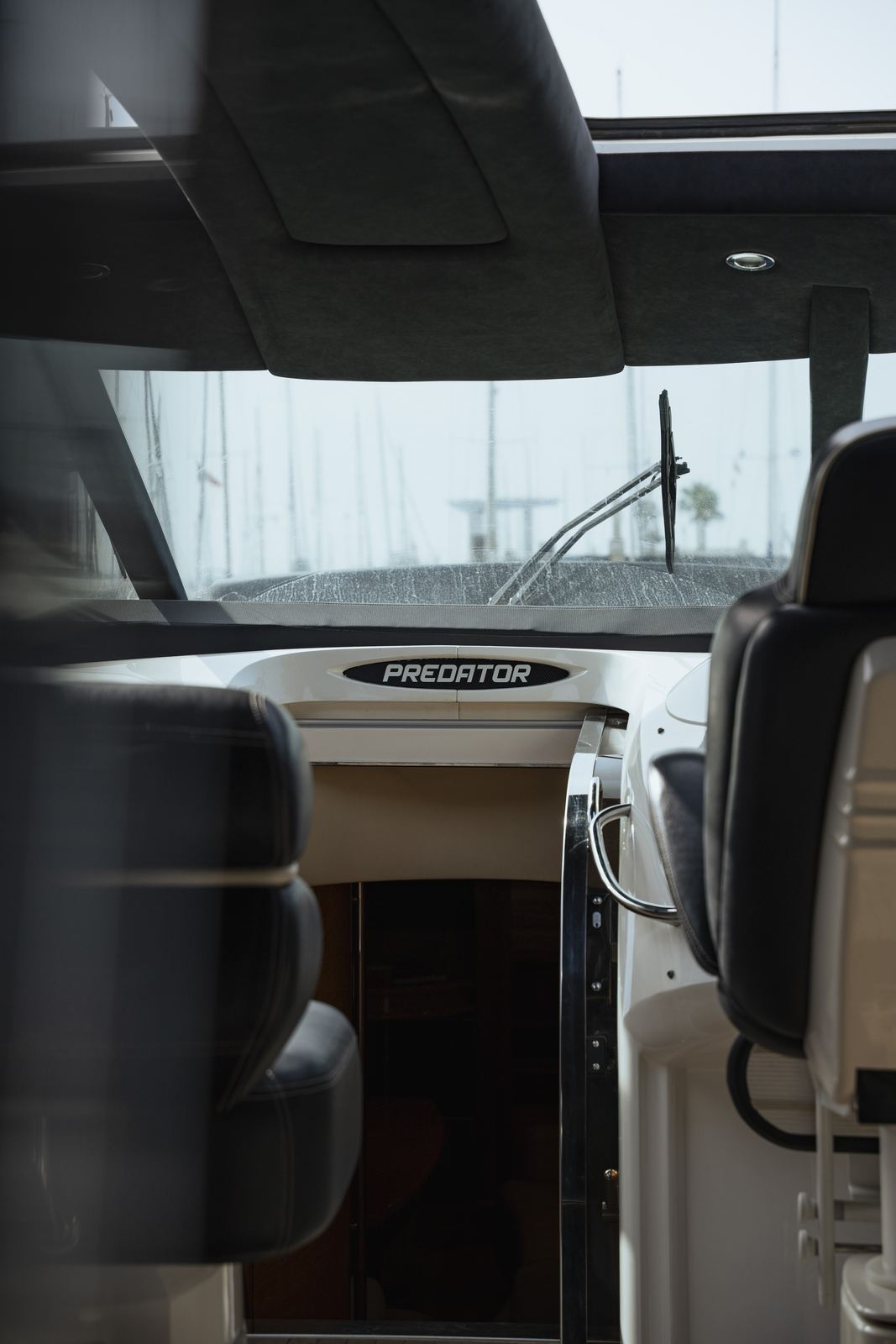
Two identical yachts on the same berth can deliver entirely different weeks, and the variable is almost always the person driving. A good Balearic captain knows which of the four anchorages at Cala Portals holds in an afternoon Embat, which restaurant in Sóller will take a tender party at short notice, and when to say that today is a north-coast day rather than a Formentera day. That knowledge is not on any specification sheet.
It is also the thing brokered charters lose first. When the yacht is listed by an agency that has never met the crew, nobody can tell you whether the captain is a local with fifteen seasons in these waters or a delivery skipper hired for the week. We can, because on our own vessels we hired them.
The second difference is what happens when something goes wrong: a squall, a mechanical fault, a guest who turns out to be a poor sailor two hours from port. Owner-operated means the decision is made by someone with authority rather than escalated through a call centre in another country. In eight seasons that has mattered far more often than the thread count of the bed linen.
The right yacht for luxury hire in Spain depends on how far you intend to go and how many of you are going. A day on the bay and a seven-island week ask for genuinely different vessels, and a larger boat is not automatically the better answer: a 25-metre motor yacht cannot get into half the Menorcan calas a catamaran will walk into. We will tell you which of ours fits, including the times when the honest answer is the smaller one.
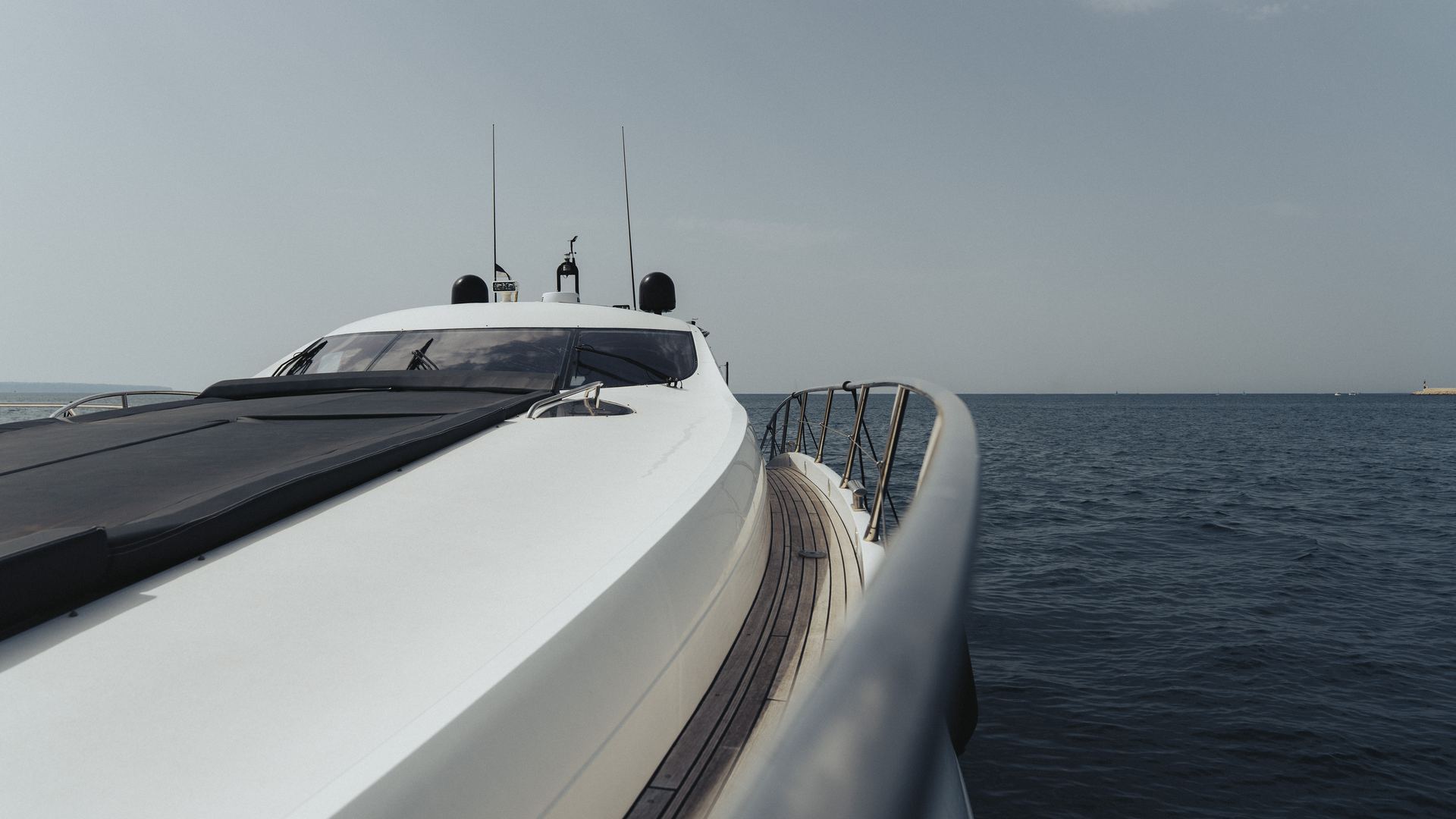
Twenty-five knots changes the geography. Formentera becomes a day trip from Palma, Menorca becomes an easy overnight, and a weather window that would strand a sailing yacht becomes a straightforward run home. The right pick when the destination matters more than the journey.
See motor yachts →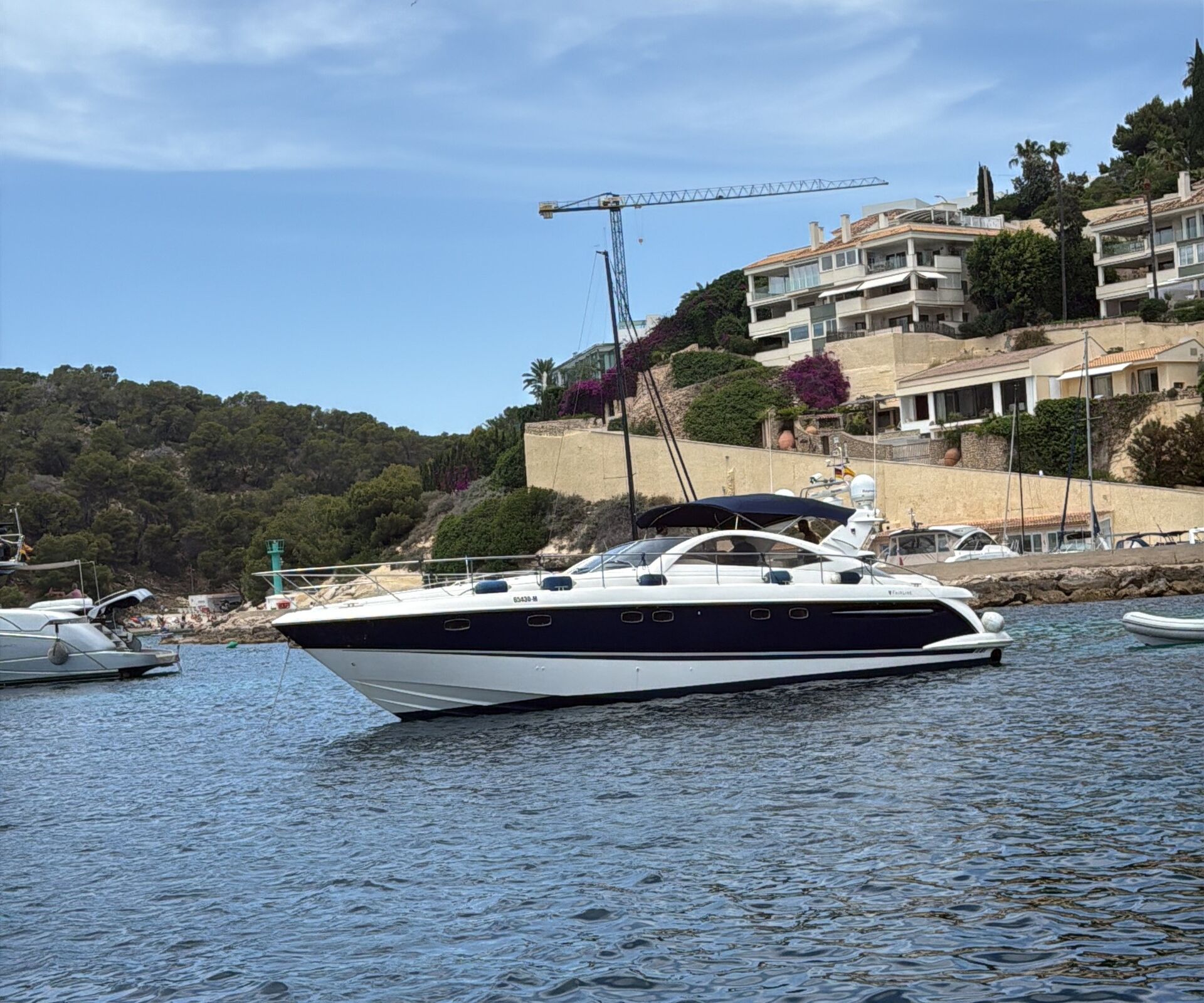
The Balearic Embat fills most summer afternoons and holds until early evening, which makes this a genuinely good sailing sea rather than a motoring one. Lower running costs, a longer week for the same budget, and the engine off by two o'clock.
See sailing yachts →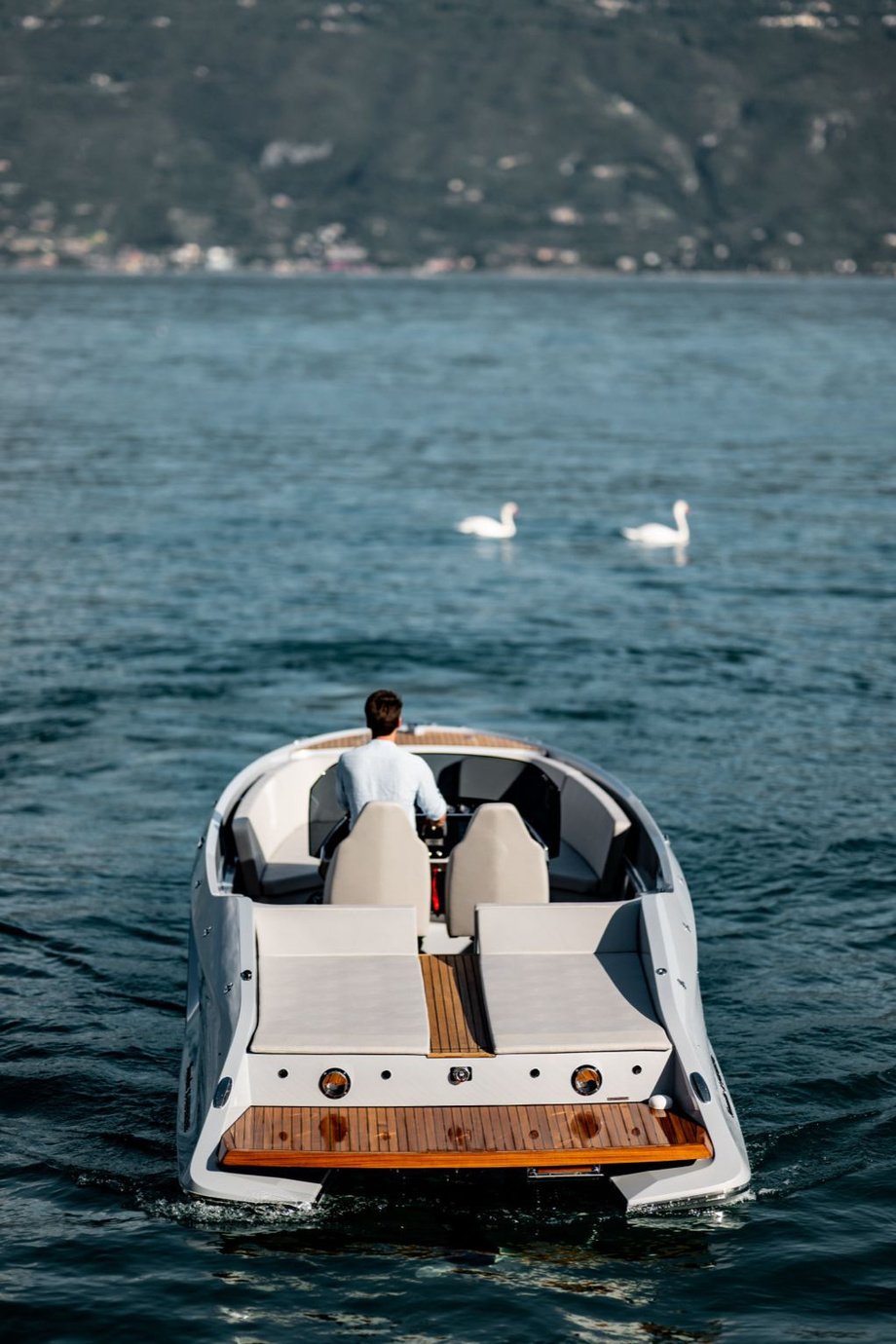
Flat decks, shallow draught and separate cabins with real privacy between them. The obvious answer for families, two couples sharing, or anyone who wants to get further into a cala than a deep-keeled monohull safely can.
See catamarans →Above roughly 24 metres the conversation changes: permanent crew, different berthing, different tax treatment and a different booking timeline. Our superyacht charter in Spain page covers that end properly. If you are considering ownership rather than hire, the same fleet is reflected in our brokerage listings, and our guide to the real cost of owning a yacht in Mallorca is the least romantic and most useful thing we have written.
Most luxury yacht hire in Spain is sold twice before it reaches you: once by the owner to a central agency, once by the agency to a website. Each layer adds margin and removes accountability. We are at the other end of that chain, and on a week where the weather turns it is the only difference that counts.
Balearic yachts we own and crew ourselves. On the mainland, a short list of partners we have been aboard, and we tell you which is which before you pay anything.
Yacht, crew, fuel basis, berthing, tax and extras on one document before you commit. The whole yacht, never per head, and no line that appears for the first time at the dock.
Every itinerary is drawn around your dates, your group and the real forecast. Change your mind at midday and the skipper will simply find you somewhere better.
A Tramuntana on the north coast is not a day to push through. If the window is wrong we reroute, reschedule or refund, and we say so early rather than at the passerelle.
The Spanish charter season runs from roughly late April to the end of October, and the gap between the busiest weeks and the best ones is wide enough to be worth planning around. If your dates have any flexibility, this is where the flexibility pays.
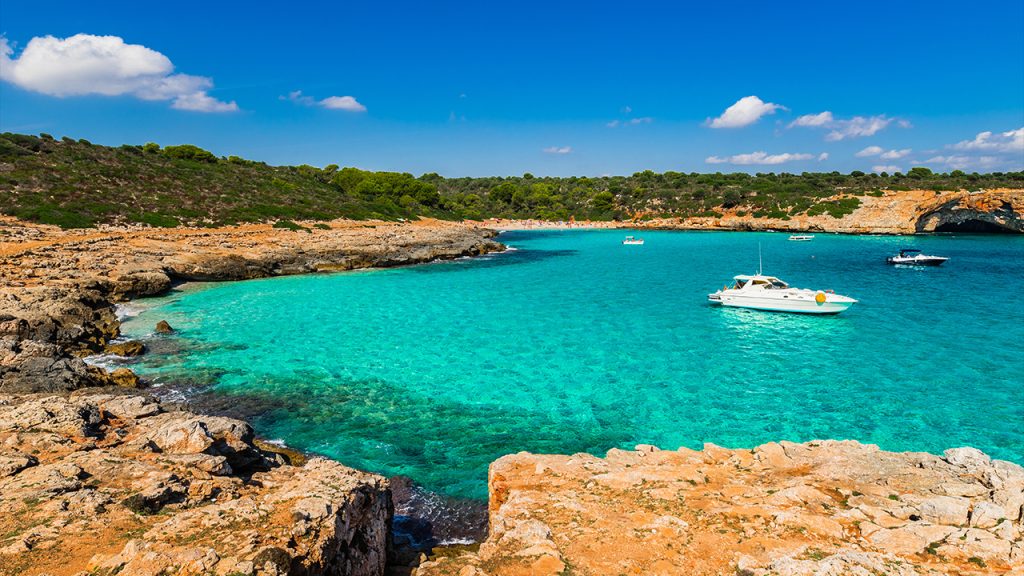
Warm air, an empty coast and the most dependable afternoon breeze of the year. The best prices of the season on the same yachts that cost half as much again in August, and every good anchorage still belongs to whoever arrives first.
Check spring dates →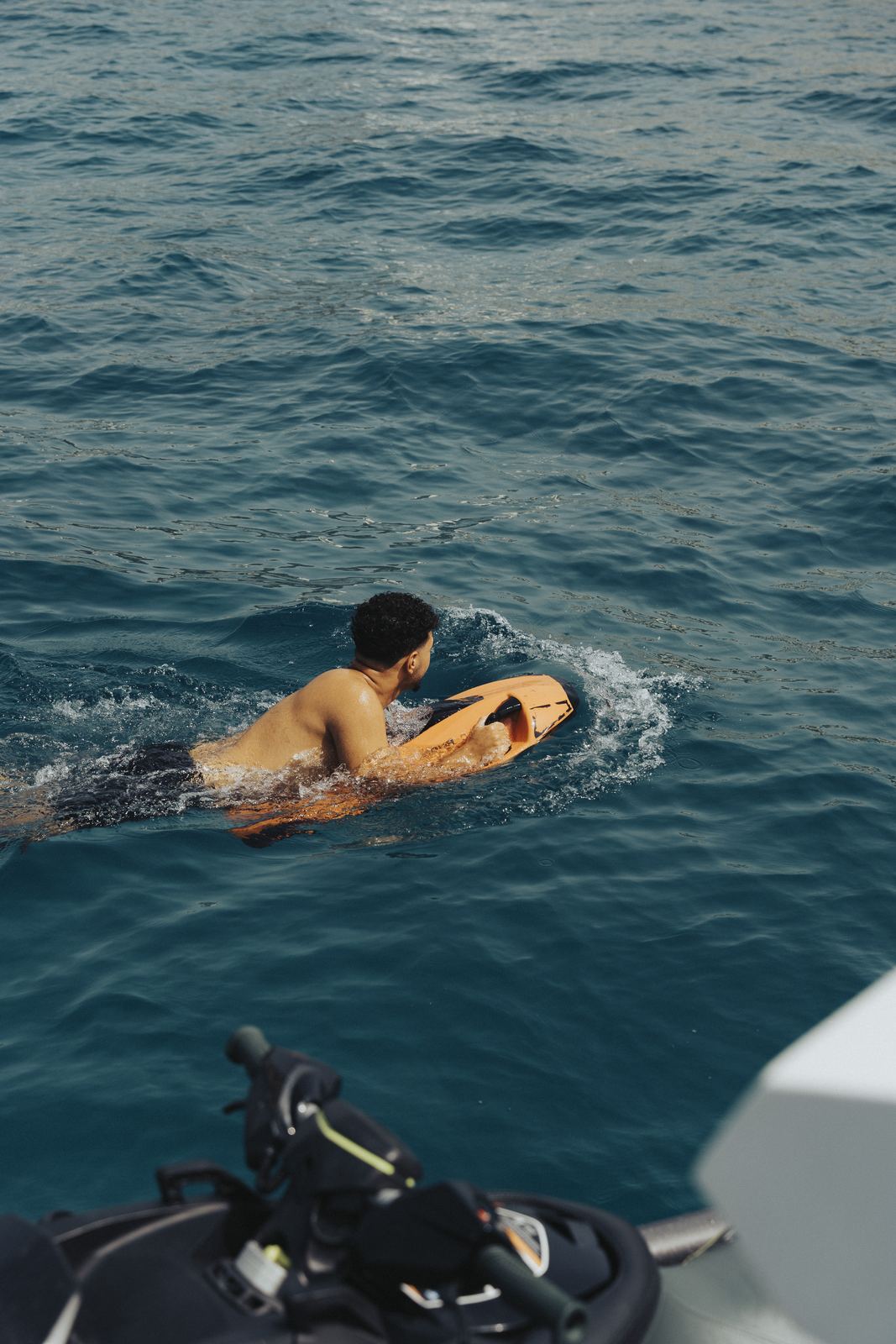
Hottest, brightest, busiest and dearest, with the warmest water of the year. Book three to six months ahead for a week, and leave the berth by nine: the good anchorages in Formentera and the Costa Brava fill from mid-morning onwards.
Check high season →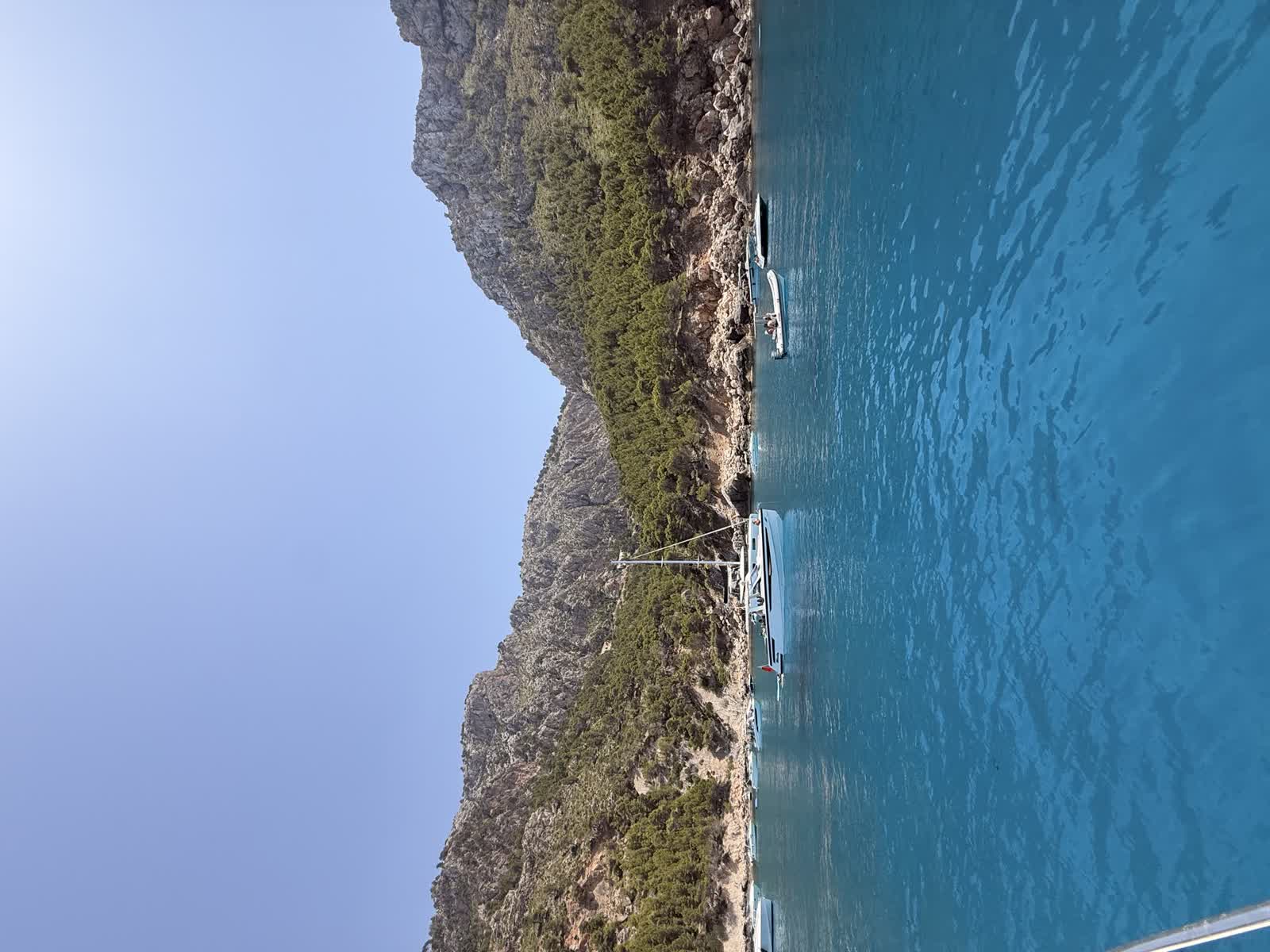
Our own pick, and not a close call. The sea is at its warmest after a full summer of heating, the crowds have gone home, and the late-afternoon light along the Tramuntana and the Costa Brava is the best of the year. The south stays warm into late October.
Check autumn dates →The most common complaint we hear about luxury yacht hire elsewhere in Spain is a headline day rate that has quietly doubled by the time you are standing on the passerelle. Ours is structured the other way round: everything below is agreed on one document before you commit, and the number at the bottom is the number you pay.
The yacht for your group alone, a certified professional skipper and any crew the vessel requires, full safety equipment and insurance, home-berth mooring, fuel within the agreed day-charter cruising plan, snorkelling gear and paddleboards, soft drinks and water, and a route planned around the actual forecast.
Catering and a chef, premium wines and spirits, powered water toys such as Seabobs, e-foils and jetskis, visitor berths in marinas other than your home port, airport and villa transfers, and the Spanish charter tax applicable to commercial charters. Each is a line you approve or decline.
Everything arrives as a single itemised document with a proper invoice at the end, which matters particularly for company bookings. For client programmes and team charters, our corporate charter page sets out the structure in more detail.
Your dates, how many are coming, and whether you want one perfect day or seven. We will come back with the right yacht, the region that actually suits your group, and a clear itemised price, usually within a few hours.
Check Availability in Spain